When AI Finishes the Problem for You
Chase Chick · November 6, 2026
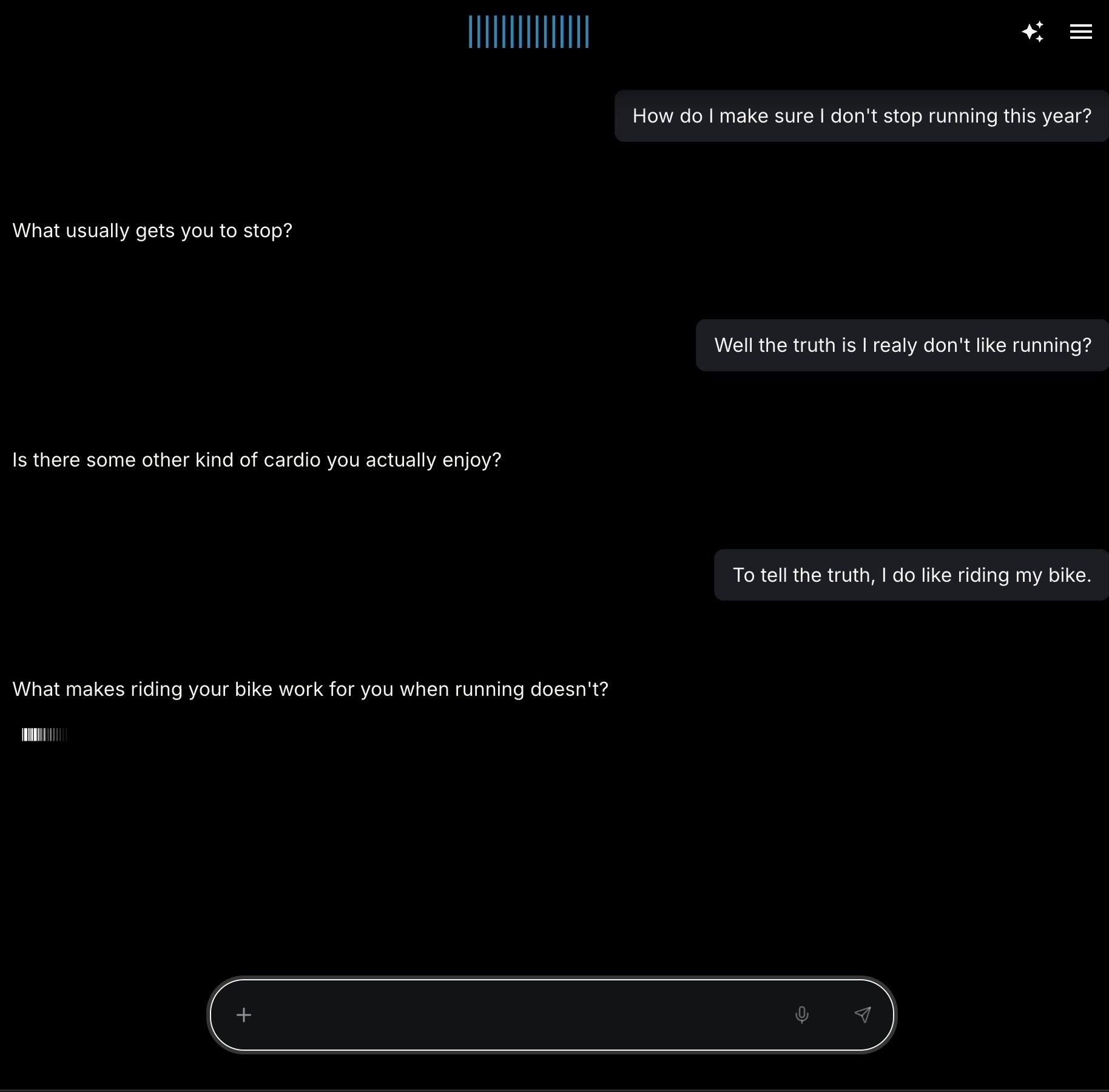
There is a moment when using AI feels like winning.
You paste in a difficult problem. A clear solution appears. The confusing part is gone. Your answer looks better, and your practice grade goes up.
But what happens when the AI is no longer there?
A randomized controlled trial at a large high school in Turkey offers a sharp answer. In a study published in PNAS in June 2025, Hamsa Bastani and colleagues studied nearly 1,000 students in grades 9 to 11 across four 90-minute math sessions. The students were divided into three groups.
One group used "GPT Base," a tool that mimicked a standard ChatGPT interface. Another used "GPT Tutor," the same model with prompts designed to safeguard learning, including teacher-designed hints instead of giving away answers. The control group used textbooks only.
During practice, both AI groups looked great. Grades improved 48% with GPT Base and 127% with GPT Tutor, compared with the control group.
That sounds like a win for AI. Then came the exam.
The score that mattered later
The later exam did not allow AI access. On that exam, students who had used GPT Base scored 17% lower than the control group.
Students who had used GPT Tutor were statistically indistinguishable from the control group. The drop seen with GPT Base essentially disappeared. They did not outperform the textbook group either, but the help had not cost them anything.
The difference was not mainly AI mistakes. The researchers found the main mechanism was how students used the tool.
Students often treated GPT Base as a "crutch," asking for solutions and copying them. The work looked finished, but the thinking had left their hands.
With GPT Tutor, students used it in more substantive ways, like asking for help or independently attempting answers. The practice stayed in their hands.
That distinction matters far beyond a math classroom.
The scary part is that it did not feel bad
The students using GPT Base did not perceive that they performed worse or learned less. From their perspective, the tool was working. Their practice grades improved. The answers appeared. The session felt productive.
GPT Tutor students, meanwhile, believed they had performed significantly better, even though their exam results matched the control group.
This is the part worth remembering: feeling helped is not the same as becoming more capable.
Finishing a problem creates a visible result. The progress is easy to see. The ability you were supposed to build is not. Can you start the next problem without help? Can you explain why the answer works? Can you spot when the output is wrong?
The same pattern shows up at work. AI can draft the message, summarize the meeting, structure the analysis, or suggest the decision. Accept the first complete answer every time and you finish faster while practicing less of the judgment behind it.
Our earlier coverage of a 26,811-student study found a similar tension, where homework scores rose while exam scores fell. The way AI helps matters. For more on that, read Does your AI just agree with you?.
Keep the practice in your hands
The goal is not to make every task harder. It is to keep the part you still need to be able to do. A simple checklist for any AI:
- Attempt first. Write down your approach, even if it is incomplete.
- Ask for a hint before a solution. Tell the AI what you have tried and ask what to consider next.
- Ask it to check your reasoning. Invite questions about your steps and assumptions instead of a replacement.
- Do the next one alone. After getting help, try a similar problem, decision, or draft without AI support.
That last step is easy to skip. It is also where you find out whether the help stayed with you. If you cannot explain the result with the tool closed, the answer arrived before the understanding did.
Meet Vesela. Start your first conversation.
Get Vesela: AI Thought Partner on the App Store | Get it on Google Play
None of this means rejecting AI. It means noticing what you are asking it to take over. A nudge is not a finished product. Checking your analysis is not replacing it.
The choice feels small in the moment. Over time, it shapes what you can do on your own.
Our team at Gray Sky AI builds Vesela as a thought partner that asks questions so people keep doing the thinking. It starts from a different place than asking AI to finish everything for you.
FAQ
Does using ChatGPT for homework hurt learning?
It can, depending on how it is used. In the PNAS study, students with GPT Base, a tool that mimicked a standard ChatGPT interface, often asked for and copied solutions. Their practice grades rose 48% versus the control group, but they scored 17% lower on the later exam without AI. The study tested that tool, not every possible use of ChatGPT.
Why did the guardrail tutor not hurt scores?
GPT Tutor used the same model with prompts that gave teacher-designed hints instead of answers. Students used it more substantively, asking for help or attempting answers on their own. On the later exam they were statistically indistinguishable from the control group, so the GPT Base drop essentially disappeared.
How do I use AI without it finishing my thinking?
Start with your own attempt. Share your reasoning, not just the task. Ask for a hint or a question before asking for a solution. Ask the AI to check your work and point out gaps. Then put the tool away and do the next similar task alone.
The aim is not to avoid help. It is to make sure the help leaves you with more ability, not just a finished answer.
Curious what a thought partner that asks questions feels like? Meet Vesela at vesela.ai and keep the thinking yours.
Meet Vesela: AI Thought Partner. Start your first conversation.
Get Vesela: AI Thought Partner on the App Store | Get it on Google Play
Take it with you
A thoughtful conversation, wherever life happens.
Related Articles

Task-Aligned vs Human-Aligned AI: What's the Difference?
Ask most people what "AI alignment" means and you will hear one of two answers: keeping powerful systems from doing something catastrophic, or getting a model to follow instructions well. Both matter. There is a third question that gets far less attention, and it is the one our team at Gray Sky AI works on every day.

Guess First, Then Ask: The Habit That Makes AI Answers Useful
It is mid-November, and you are trying to work out whether the trip home for the holidays will fit the budget. Flights look expensive. The rental car is not cheap. Someone has suggested staying an extra night, which means another hotel bill, another meal, and possibly another day away from work. Before asking AI what the trip will cost, write down your own estimate: $1,800, perhaps, or $2,400 if the dates are tight.

The Research Behind Human-Centered AI
What research tells us about AI, human agency, critical thinking, learning and connection Artificial intelligence is becoming part of how people work, learn, make decisions and even think through personal problems. As those interactions become more common, an important question is emerging: